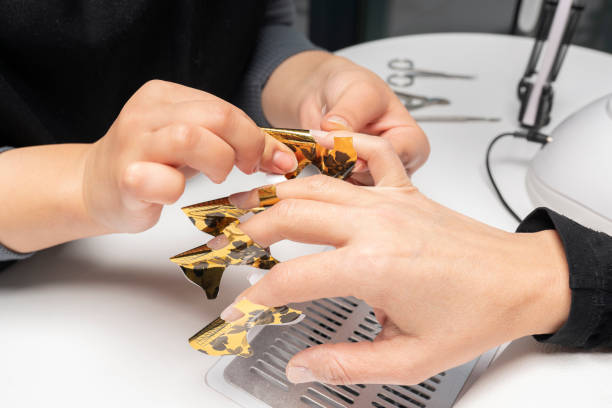
Your feet carry you through busy days, tight shoes, and hard floors. Yet they’re often last on the care list. A regular pedicure isn’t about fancy polish; it’s scheduled upkeep that keeps nails, skin, and joints happier. Safe trims help prevent ingrown nails, callus work reduces thick spots before they split, and good moisture keeps heels from cracking. Warm soaking loosens stiff tissue, while light massage eases that “heavy foot” feeling after long hours. Because feet live with sweat, pressure, and friction, small problems can build quietly. Routine care spots issues early and keeps you moving with less fuss. Think of it as tire rotation for your steps—simple maintenance that saves you from avoidable repairs later.
What A Quality Pedicure Includes, Step By Step
A helpful pedicure follows a steady sequence. First comes a warm soak to soften the outer skin layer, the stratum corneum. Nails are cleaned and trimmed straight across, then shaped to remove sharp edges without thinning the nail plate (it’s layered keratin). Cuticles are pushed back rather than cut, since that thin seal helps block bacteria and fungus. Calluses are reduced with a file and not shaved; you keep protective skin while losing the thick buildup that can crack. Gentle exfoliation lifts dry cells so lotion can reach deeper layers. A short massage supports comfort in the arch and toes. Polish is optional. The goal is function first: nails that don’t snag, skin that doesn’t split, and feet that feel steady in shoes.
Trimmed Nails That Do Not Turn Painful
Ingrown nails—onychocryptosis—often start with small habits: rounding corners too far, trimming too short, or wearing narrow shoes. During a pedicure, nails are shaped straight with only a slight curve so edges don’t dig into sidewalls. Soaking softens the plate for safer trimming, and a careful tech avoids “fishing” under the nail, which can leave tiny wounds. Between visits, dry well after showers, rotate shoes so moisture can evaporate, and change socks daily. Watch for early signs: tenderness along the edge, redness, or swelling. If you notice drainage or strong throbbing, see a clinician before your next appointment. At home, use clean clippers, trim just past the tip, and smooth corners with a fine file. Consistency beats aggressive fixes every time.
Callus Care That Protects Skin And Joints
Calluses form where pressure repeats—heels, the ball of the foot, and the big toe joints. A thin callus can help; too much thickness can split into fissures or change how your foot loads with each step. Pedicure callus work should be gradual. A foot file or paddle smooths high spots without stripping protective layers. Skip sharp blades at home; they often take off too much and leave you tender. After reduction, moisturizers with urea (10–20%) or lactic acid draw water into the stratum corneum and soften tough areas across several days. If thick spots return quickly, check footwear: narrow toe boxes, thin soles, or worn insoles drive pressure. Small gear tweaks—roomier shoes, supportive insoles, and regular lotion—often keep those patches from coming back.
Exfoliation And Massage To Ease Daily Strain
Feet take thousands of steps, so small muscles tighten and fluid can pool by day’s end. Exfoliation removes dry layers, helping lotion reach newer cells and keep the skin barrier working well. A warm soak followed by a light massage supports comfort by moving stagnant fluid and easing stiffness around the plantar fascia and toe joints. Ask your tech to focus on the heel if mornings feel tight, or around the big toe if shoes squeeze there. This trio—heat, exfoliation, and massage—won’t replace treatment for injuries, yet it can make daily walking and standing feel lighter. Many people notice fewer end-of-day aches when they pair steady salon care with short stretches at home and better shoe support during long shifts.
Hygiene Habits That Keep Services Safe And Clean
Clean practice is the foundation. Look for:
- Fresh bowl liners or basins are cleaned with an EPA-registered disinfectant after each client.
- Sealed metal tools are opened in front of you, or there is a visible autoclave log.
- Single-use files and buffers are tossed after your service.
- No cutting of live skin beyond a hangnail; intact skin protects you.
- Intake questions about health history, meds, and current foot issues.
Skip services on areas with open cracks, athlete’s foot, or an inflamed ingrown. Avoid shaving legs within 24 hours of your appointment; tiny nicks invite germs. Good rooms never rush cleaning steps, and good pros are happy to explain their process. Safety is simple: clean tools, clean tubs, intact skin, and a pace that respects each step.
Smart Product Choices For Skin, Cuticles, Nails
Nails respond best to moisture and gentle handling. Cuticle oils with jojoba and vitamin E keep the nail fold supple and reduce hangnails. For heels, daily lotion with glycerin, urea, or shea butter works well. Nail hardeners can help in moderation, but very strong formaldehyde formulas may lead to brittle plates. Many people prefer weekly strengthening coats that use calcium or dimethyl urea instead. When removing color, pure acetone works fast but dries the plate; non-acetone removers are slower but kinder. Keep polish breaks between long stretches of color, especially after gels. A few rules of thumb: hydrate daily, file lightly, and avoid picking. Those small habits keep nails smooth and cuticles tidy without harsh shortcuts.
Footwear, Posture, And Simple At-Home Foot Care
Even the best pedicure struggles against cramped shoes. Aim for a toe box that lets toes lie flat; you should be able to wiggle freely. A firm midsole and light cushioning spread pressure more evenly to quiet hot spots that become calluses.
Build a routine that’s easy to keep:
- Daily: Wash, dry between toes, and lotion heels.
- Twice weekly: On dry skin, file rough patches lightly; moisturize after.
- Every two to three weeks: Trim nails straight across; smooth corners.
- After long days: Elevate feet for ten minutes; flex and point.
- Shoe care: Rotate pairs and wear clean, breathable socks.
Add quick stretches for calves and the plantar fascia after showers. These basics make salon results last longer and help your step feel more natural all week.
When To See A Podiatrist Before Polishing
Some situations need medical guidance first. If you have diabetes with neuropathy, poor circulation, or a history of ulcers, ask a podiatrist which services are safe and how often to get them. Active infections—athlete’s foot, a swollen ingrown, or a deep heel crack—belong in a clinic before any salon work. Also, pause if you see sudden swelling, warmth, or streaking redness; those signs can point to deeper concerns. A careful pedicurist can still help by spotting early changes and referring you on. When you return, request cooler water, gentle pressure during massage, and straight trims that protect corners. Clear communication keeps your feet protected while still enjoying the comfort you came for.
Small Habits Today Keep You Moving Longer
Regular pedicures support simple goals: nails trimmed in a safe shape, calluses kept in check, and skin that stays smooth under daily pressure. Pair salon care with quick home routines and shoes that give your toes room, and walking feels easier from morning to night. When you want thoughtful service and steady results, Eléve Style Lash Brow Nail Bar offers pedicure services that keep upkeep simple. Give your feet a spot on your calendar and they’ll return the favor with calmer steps, fewer surprises, and more comfortable days ahead.